Tire Pressure Rituals: The Small Habit That Protects Tires, Fuel, and Every Road Trip
Most drivers only glance at their wheels when something looks obviously wrong, yet those four contact patches quietly shape every mile. Subtle changes in air, tread, and dashboard symbols reveal how a vehicle is coping with temperature swings, long journeys, and everyday errands, and how that all connects to comfort, safety, and what gets burned at the pump.
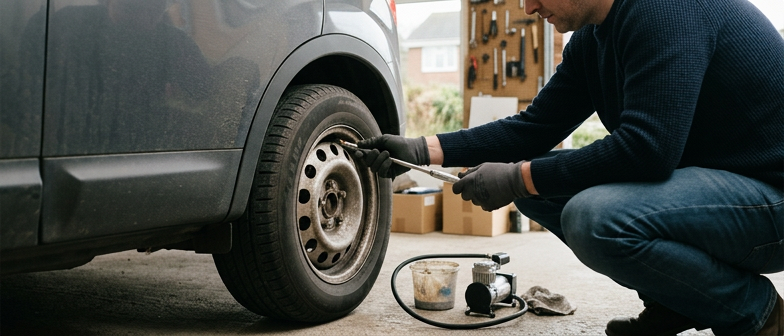
Why Those Four Patches Of Rubber Deserve A Habit
Those small areas of rubber are the only parts of a vehicle that actually touch the road. Everything else – engine power, steering feel, brakes, and electronic aids – still has to flow through those hand‑sized patches. When air pressure is off, those patches change shape, and the car will not behave the way its designers intended.
With low pressure, the tire squats and flexes more. The patch gets longer and wider, tread blocks move around, steering often feels slower and less precise, stopping distances can increase, and the extra flex builds heat inside the structure. Over time that heat and flex can weaken internal parts and speed up wear, especially on the shoulders.
Too much air does the opposite. The center of the tread bulges, the patch shrinks, and the tire rides on a smaller footprint than it should. That smaller contact area can reduce traction, make the ride harsher, and wear the middle of the tread faster than the edges.
Day‑to‑day temperature changes move pressure up and down and reshape those patches. A simple monthly check, using the values on the driver‑side door‑jamb label rather than the number molded into the sidewall, goes a long way. Keeping those four patches the right size and shape is what a repeatable air‑check habit is about.
What To Look For Before You Even Touch A Gauge
Fast visual clues in a quick walk‑around
Before using any tool, a slow walk around the vehicle reveals a lot. Stand a few steps back from each corner and compare one wheel with the others. A tire that looks slightly “squashed” where it meets the ground, or sits lower than its neighbor, deserves a closer look.
Because modern designs can hide low air, treat this as a rough filter, not a final answer. If something looks off, follow up with a gauge check when the tires are cool.
Next, look straight at the tread. The pattern should look reasonably even across the full width. Extra wear only on the inside or outside edge, or a patch that seems smoother than the rest, can suggest alignment or rotation needs. Exposed cords, deep cuts, or foreign objects stuck in the tread are reasons to seek professional help and to avoid high speeds until things are checked.
A quick visual scan also fits into other routines:
| Situation in daily use | What to glance at on the tires | Why it is worth the extra seconds |
|---|---|---|
| Before a long highway drive | Overall shape, obvious “flat” look, bulges | Reduces chances of surprises at higher speeds |
| After hitting a pothole or curb | Sidewall bubbles, cuts, new noises | Helps catch impact damage early |
| During fuel stops | Tread wear pattern, objects in grooves | Pairs with pressure checks at the pump |
Sidewalls, shapes, and subtle hints from the last drive
After the tread, move your eyes to the sidewall. Look for bulges, bubbles, or blisters, especially on the outer face. These can form after hard impacts and often mean the inner structure has been stressed. A tire with this kind of bulge should not be driven at typical road speeds.
Scan for cracks, deep scuffs, or areas where the rubber looks torn or warped. Then think back to how the car felt on the previous trip. Pulling to one side, a new vibration, or a low humming noise can match what you now see on the rubber.
If this quick check reveals anything unusual, avoid long or fast journeys until you combine it with a proper cold‑pressure measurement and, if needed, a visit to a workshop.
Listening To Icons, Vibrations, And Other Quiet Messages
That small horseshoe‑shaped icon with an exclamation mark on many dashboards is easy to ignore. In many cases, though, it is the first subtle message from the wheels that something has changed.
An air warning light often means at least one tire is underinflated. Even a modest drop can change how the car steers, how long it takes to stop, and how stable it feels over bumps. Drivers sometimes see the symbol in the morning, then watch it go away as the air inside warms and pressure rises. That does not make the alert meaningless; it shows how sensitive air levels are to temperature.
Sometimes the monitoring system itself can have a sensor issue. If the symbol keeps flashing, or stays on even after a manual check shows nothing out of range, that system may need attention. It is wise to treat that situation like any other dashboard symbol: not a crisis by itself, but not something to ignore for long.
Wheels rarely jump from “perfect” to “dangerous” in an instant. They usually send a few hints first. A new vibration in the steering wheel, a faint pulsing through the seat, or a low humming sound that rises with speed can all link back to air levels or uneven wear. Underinflated tires can flex too much, build heat, and wear in patches, which may then appear as a shake or wobble.
Knocking or thumping from one corner of the car after a deep pothole can point to more than lost air. The impact might have bent the rim or affected suspension parts. A quick air check helps separate a simple loss of pressure from something that needs more thorough inspection.
Pairing these clues with a regular habit works well in daily driving: a fast look at the dashboard when starting up, a short walk‑around when you have a moment, and a gauge check at the pump often catch small changes before they grow into rough handling, rapid wear, or inconvenient roadside stops.
Turning Checks Into A Simple Year‑Round Habit
A realistic pattern that fits real life
Checking air levels sounds minor, but turning it into a habit can keep driving more predictable and help control running costs.
A practical starting point is a quick pressure check roughly once a month. Many drivers link it to something that already happens anyway, such as a grocery trip or refueling, so it becomes part of the rhythm of driving rather than an extra task.
Use the figures printed on the driver‑side doorjamb label, not the larger number on the tire sidewall. Check when the tires are “cold” and adjust if they are a few units off the mark. While the gauge is in your hand, take a few extra seconds to look over the tread and sidewalls for cracks, bulges, or anything lodged in the grooves.
Every so often, a rotation helps the tread wear more evenly and can delay the point where replacement becomes necessary. It also gives a technician a chance to spot unusual wear patterns that might point to alignment or suspension concerns.
Seasonal tweaks and planning for smoother trips
Changes in weather can nudge air levels up or down, so a quick check when seasons shift is useful. When it gets colder, pressures often drop and may need topping up. When it gets hotter, checking helps avoid running too high after longer journeys.
Keeping air within the recommended range supports consistent steering feel and can contribute to more efficient use of fuel. It also cuts down on situations where one edge of the tire wears out far earlier than the rest.
Before longer road journeys, combining a cold‑pressure check with the earlier visual steps adds a layer of reassurance:
| Planned driving situation | Extra tire‑related step to consider | Practical benefit |
|---|---|---|
| Multi‑day highway trip | Full cold‑pressure check, look for uneven wear | Helps maintain stable feel at sustained speeds |
| Heavy loads or many passengers | Confirm pressures match loaded recommendation | Supports even wear when carrying more weight |
| Frequent stop‑and‑go errands | More frequent visual checks | Can spot slow leaks before they leave you stranded |
Across a full year, this simple pattern – monthly checks, seasonal tweaks, and occasional rotations – works in the background. Rides can feel smoother, dashboard symbols are less likely to come as a surprise, and expenses linked to tires and fuel become more predictable and easier to plan for.
Q&A
-
How often should a Tire Pressure Check Routine be done, and what tools are worth keeping in the car?
A monthly tire pressure check is a practical minimum, but drivers who cover high mileage or carry heavy loads benefit from checking every two weeks. Keep a reliable digital gauge, a compact 12‑volt inflator, and valve‑stem caps in the car so adjustments are easy at home or during fuel stops. -
What Seasonal Car Care Tips matter most for tires when temperatures swing sharply?
In colder months, expect pressure to drop and add air before long trips; in hotter months, verify pressures when tires are cool to avoid overinflation from heat‑soaked readings. Consider switching to season‑appropriate tires, checking tread depth before rain or snow seasons, and rinsing road salt off wheels and valve areas. -
Which Fuel Efficiency Driving Habits protect tires and reduce consumption together?
Smooth acceleration, early gentle braking, and maintaining steady speeds reduce flexing and heat buildup in the tread, which supports both longevity and fuel economy. Avoid aggressive cornering, high sustained speeds on underinflated tires, and unnecessary roof loads that increase drag and stress the contact patches. -
What are reliable Tire Wear Warning Signs that drivers can catch early without specialist tools?
Uneven tread depth across the width, feathered edges you can feel by hand, localized bald patches, and cupping patterns that create rhythmic humming noises all point to developing issues. When these appear, schedule an alignment and rotation, and verify pressures before the abnormal wear permanently shortens tire service life. -
How does Safe Road Trip Preparation connect with a Basic Vehicle Maintenance Schedule and Dashboard Alert Awareness?
Before trips, align upcoming mileage with the maintenance schedule for oil, filters, and rotations, then clear any existing dashboard alerts. Address tire, brake, and stability‑control warnings immediately. Combining pre‑trip inspections with routine services prevents minor issues from emerging as breakdowns when far from familiar workshops.