Stretch Break Micro Routines for Healthier Desk Habits
Long hours at a desk can leave you stiff, tired, and unfocused. This guide shows how brief, posture‑friendly stretch break micro routines can fit naturally into a busy workday as gentle office movement, helping you build simple mobility habits and a reliable daily flexibility reset.
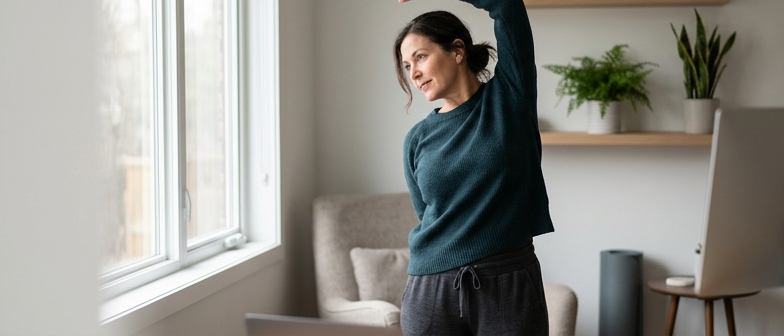
Why Micro Stretch Breaks Matter at Your Desk
Micro stretch breaks are short, simple movements you weave into your workday without needing a full workout or special equipment. These Stretch Break Micro Routines usually last a minute or two and focus on easing stiffness that can build up when you spend long periods at a computer or workstation. Instead of promising dramatic changes, they offer a practical way to interrupt long stretches of stillness, gently nudge your body out of one fixed position, and bring some awareness back to how you are sitting, typing, or using your devices.
Over time, these tiny desk mobility habits can support everyday comfort by encouraging gentle office movement that feels realistic in a busy schedule. Standing up briefly, rolling your shoulders, or stretching your wrists will not replace regular exercise, but it can make long desk days feel more manageable and help you notice when your posture is starting to slip. By treating these pauses as small posture-friendly breaks instead of intense workouts, you build a steady, sustainable way to look after your body at work between emails or meetings.
Core Principles of Posture Friendly Breaks
Posture friendly breaks are short, intentional pauses that move you out of a fixed position without disrupting your work. A simple rule is to change position or do a brief movement routine every 30 to 60 minutes, even if it is just for a minute. These small Desk Mobility Habits focus on gentle, pain free motions rather than intense stretching, so they fit everyday clothes and limited space. The aim is not to fix your body in one session but to interrupt long periods of stillness with light, regular activity. Keeping movements slow and controlled, and stopping anything that feels sharp or uncomfortable, helps make these breaks safe and realistic for most office settings.
A sustainable daily flexibility practice grows from consistency and self awareness rather than complexity. You do not need special equipment; your chair, desk edge, or a wall are enough for simple stretches and joint rolls. During each break, notice areas that feel stiff, such as your neck, shoulders, back, or hips, and choose one or two gentle office movements that make those areas feel easier, not strained. Then return to a balanced sitting or standing posture, with relaxed shoulders and supported feet, so the benefits carry into your next work block. Over time, these posture friendly breaks become automatic, turning movement into a normal part of how you work instead of an extra task.
| Break Principle | Quick Self‑Check | When It Fits Best | Caution Level |
|---|---|---|---|
| Change position regularly | Have you moved from this posture recently? | Long computer tasks | Low |
| Keep movements gentle | Does the stretch feel easy, not intense? | First break of the day | Low |
| Listen to discomfort signals | Do you feel sharp or pinching sensations? | Any time stiffness appears | High |
| Use simple desk supports | Can you use chair, desk, or wall safely? | Small workspaces | Low |
| Return to balanced posture | Are shoulders relaxed and feet supported? | Right after each break | Medium |
How Often and How Long to Move
Brief Stretch Break Micro Routines work best when they happen regularly. Many people stand and move for one to three minutes about every 30 to 60 minutes of desk time. This rhythm fits common work blocks, lets you respond to short activity reminders from apps or calendars, and still respects deadlines and meetings. The aim is not to disrupt deep focus, but to keep long, uninterrupted sitting from becoming your default.
If that rhythm feels unrealistic, start smaller. You might do a few gentle movements every couple of hours, then gradually shift toward more frequent, shorter pauses as they become familiar. Notice how your body responds; a mild sense of relief or reset is a good sign, while discomfort suggests you may need softer motions or less intensity. Over time, these micro breaks can blend into your normal desk routine.
Simple Stretch Break Micro Routines You Can Try
Short Stretch Break Micro Routines can act as a simple wellness reset throughout your day, especially if you spend long periods at a desk. Begin with a brief neck and shoulder sequence while seated or standing with your feet flat. Slowly tilt your head to one side, pause for a few comfortable breaths, then repeat on the other side, keeping movements small and controlled. Follow with gentle office movement for the shoulders by rolling them forward and back several times, then lightly drawing your shoulder blades toward each other to open the chest. Breathe steadily and stop if anything feels painful rather than pleasantly stretchy.
For a quick upper- and mid-back routine that supports posture-friendly breaks, scoot toward the front of your chair with your spine upright. Place your hands on your thighs and alternate between gently rounding your back and then lengthening it, as if growing taller, to ease slouching. Add a mild seated twist by turning your torso toward one side and placing a hand on the chair for light support, then repeat to the other side. These tiny desk mobility habits support daily flexibility practice without special equipment and can often be done in the time it takes to read an email.
To include hips and wrists in your Simple Wellness Reset, stand up at least once an hour if you are able and perform a few slow hip circles or mini lunges while holding the back of your chair for balance. When seated again, extend one leg at a time and flex and point your toes to wake up the lower body. For the wrists, gently circle them, then stretch your palms and fingers by pressing one hand lightly against the other, avoiding any forceful pulling. These short activity reminders keep your routine realistic and your Stretch Break Micro Routines easy to repeat.
Seated and Standing Options at the Office
When you are seated in a shared office, use subtle, posture friendly breaks that look like normal focus. Gently roll your shoulders, straighten away from the backrest, and imagine lengthening through the crown of your head. Slow head turns or small ankle circles keep gentle office movement going while you stay engaged with your screen or a meeting, so each shift feels like a simple wellness reset rather than a workout.
When you can stand, treat small transitions as quiet stretch moments. As you walk to the printer or wait for a meeting room, stand tall with feet hip-width apart, soften your knees, brace your core, and relax your shoulders down and back. Shifting your weight or doing a few small calf lifts turns these short activity breaks into an easy daily flexibility practice that blends into formal office routines.
Building Desk Mobility Habits Into Your Day
Turning occasional stretches into reliable desk mobility habits starts with keeping them simple and predictable. Instead of relying on willpower, link each brief movement break to something you already do, such as finishing an email, refilling your water, or coming back from a meeting. These natural moments can serve as short activity reminders, nudging you to stand, roll your shoulders, or gently rotate your wrists and ankles. Keep the movements small and comfortable so they feel like a quick wellness reset rather than a workout, and stop or adjust if any action causes pain.
Your surroundings can also support regular Stretch Break Micro Routines. Place a note near your screen with one or two easy stretches, or add a small label to your keyboard as a cue to move. You might decide that at the start of each hour you take sixty seconds for a simple wellness reset, such as changing posture, opening your chest, or looking away from the screen to relax your eyes. Over time, these brief pauses blend into your normal work rhythm, giving you gentle office movement and everyday flexibility without special equipment, apps, or long breaks.
Q&A
-
What are stretch break micro routines, and how are they different from a workout?
They are one‑to‑three‑minute movement breaks that ease stiffness from sitting. They use gentle motions you can do in work clothes and a small space, instead of full exercise sessions. -
How often should I take posture‑friendly desk breaks?
Aim to move briefly every 30 to 60 minutes. Even one minute of standing, shifting position, or rolling your shoulders helps interrupt long stillness. -
Can quick desk mobility habits fit a busy workday?
Yes. Tie short movement to natural pauses—sending an email, ending a call, or refilling water—so it stays predictable and doesn’t pull you out of focus. -
What is a simple wellness reset I can do without leaving my chair?
Sit tall with feet flat, gently roll your shoulders, then turn your head side to side within a comfortable range, breathing steadily and stopping if anything feels sharp. -
Are there subtle movements I can use during calls or meetings?
You can sit slightly away from the backrest, lengthen your spine, make small ankle circles, and lightly draw your shoulder blades together while staying engaged.