Backyard Cloud Observation Guide for Everyday Sky Watching
Turn your yard, balcony, or local park into a simple cloud‑watching station, using everyday observations to learn basic cloud types and spot gentle shifts in local weather. This guide shows how to watch safely, keep a brief weather journal, and build atmosphere knowledge over time.
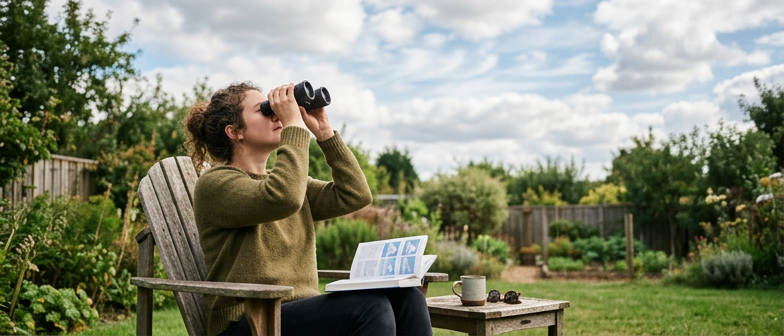
Why Backyard Cloud Watching Is Worth Your Time
Turning your backyard into a small observing station is an easy way to connect with the sky and notice what is happening in the air above you. A simple Backyard Cloud Observation Guide does not require telescopes or special tools; it just asks you to look up regularly and pay attention to shapes, heights, and changes. This kind of home science observation fits into daily routines, whether you glance out while making coffee or spend a few quiet minutes outside in the evening. Over time, those short moments of attention build familiarity with the sky and make it easier to notice when conditions look different from what you usually see.
Cloud watching from home is also a gentle way to explore beginner atmosphere basics without a formal science background. By watching how clouds develop, move, and fade, you begin informal weather pattern learning, such as linking thickening clouds with approaching systems or clearing skies with drier air. Keeping a simple daily weather journal, even just a line or two about cloud types and how the day felt, turns casual sky watching into a record of local conditions and shows how everyday surroundings can support real observation.
Getting Ready to Observe the Sky from Home
Before you begin any backyard cloud observation, choose a safe, comfortable place to stand or sit with a clear view above roofs and trees. A small yard, balcony, or nearby park is enough for this Backyard Cloud Observation Guide as long as you are away from traffic, steep drops, and places where you must lean out. Check the weather forecast so you know whether to expect clouds, clear skies, or storms, and keep expectations realistic: some days bring dramatic shapes, while others look flat and gray. Treat this as one of your simple sky watching tips, turning everyday outdoor moments into calm attention to the sky.
You do not need advanced equipment to turn sky watching into a regular home science observation. Your eyes, a small notebook or daily weather journal, and perhaps a phone or simple camera are enough. Note the time, general sky conditions, cloud shapes, and how they move, and add a rough compass direction if you know it so you can notice patterns. Dress for the conditions, protect your eyes by not staring at the Sun, and shorten sessions when it is very hot, cold, or windy. With this light preparation, beginners can build a safe, repeatable habit that makes the atmosphere feel familiar.
| Setup option | Best conditions | Simple tools | Safety and comfort notes |
|---|---|---|---|
| Small backyard | Mostly open sky, light wind | Notebook, pen, simple camera | Stay clear of driveways and garden tools |
| Apartment balcony | Above nearby roofs, gentle weather | Daily weather journal, phone compass | Avoid leaning over railings or edges |
| Open window at home | Calm, dry weather, limited view | Notebook, clock or watch | Keep distance from the window edge |
| Nearby park bench | Wide horizon, moderate breeze | Pocket notebook, phone camera | Choose well‑lit areas away from traffic |
| Shared rooftop space | Clear forecast, stable conditions | Journal, compass app, light layer | Use handrails, avoid wet or icy surfaces |
Simple Tips for Comfortable and Safe Sky Watching
For relaxed backyard cloud watching, treat it like a short outdoor activity. Choose a spot with clear horizons where you can sit or lie down comfortably, and bring a light layer so you can stay outside long enough to notice patterns. Simple home science observation works best when you are not distracted by cold, heat, or bugs, so consider a hat, insect repellent if needed, and a blanket or chair that supports your neck and shoulders while you look up.
Protecting your eyes and skin keeps sky watching safe and pleasant. Never look directly at the Sun, even through thin cloud, sunglasses, or phone cameras; instead angle your view so bright light is out of sight and check overhead clouds with quick glances. On sunny days use sunscreen, a brimmed hat, and UV sunglasses, and on changeable days watch for darkening clouds, strong gusts, or distant thunder and move inside early rather than waiting for a storm.
Recognizing the Main Types of Clouds
When you begin watching the sky from your backyard, it helps to group clouds into a few main families. High, wispy cirrus clouds look like white streaks or feathers and usually signal fair weather now, though they can hint at a change within a day. Mid-level altocumulus and altostratus form sheets or patches that sit above rooftops but below cirrus and often mark a shift toward wetter, more unsettled conditions. Low clouds, including flat gray stratus and puffy low cumulus, stand out in everyday life because they sit close to the horizon and are easy to compare with trees, buildings, and hills during simple sky watching.
Another way to approach cloud type identification is by looking at shape and texture instead of altitude alone. Puffy heaps like cotton balls are called cumulus and usually mean rising warm air; on calm days they can drift by as fair-weather clouds. Layered, featureless sheets are known as stratus and can bring gray, cool periods with light drizzle or mist. Taller, more dramatic cumulonimbus grow from a flat base into towers or anvils and are linked with showers or thunderstorms. Learning these visual patterns gives you beginner atmosphere basics, because you connect what you see overhead with the kind of weather that often follows.
As you build a home science habit, pair what you learn about cloud families with a simple daily weather journal. Note whether the sky is mostly clear, dotted with small cumulus, covered by smooth layers, or dominated by towering clouds, then record what happens later in the day. Over time, you will recognize how certain cloud combinations line up with local weather patterns, turning backyard cloud observation into practical weather pattern learning.
Linking Cloud Shapes to Changing Weather
As you get used to cloud type identification from your backyard, you can notice how one kind of cloud often follows another as the atmosphere changes. Thin, high cirrus spreading across a blue sky may be an early sign that a new weather system is approaching, while later development of thicker layered clouds can hint at increasing moisture and a greater chance of rain. Watching these slow transitions is a gentle way to practice beginner atmosphere basics without trying to make precise forecasts. Treat each day as a small weather pattern learning exercise by paying attention to how the sky looks in the morning, afternoon, and evening, and jotting notes in a simple daily weather journal. Over time you may see that puffy fair‑weather cumulus sometimes grow taller and darker before showers, or that clear evenings after scattered clouds often come with calmer conditions, helping you link cloud shapes to short‑term changes in local weather.
Turning Backyard Observations into Home Science
Treating your sky watching as a small home science observation project makes this Backyard Cloud Observation Guide more rewarding without adding pressure. Choose one simple spot where you can see a good slice of sky, such as a patio, balcony, or open window. At roughly the same time each day, pause for a minute or two to notice the clouds, how bright the sky is, and whether it feels humid, dry, windy, warm, or cool. Think of yourself as a calm investigator who is not trying to predict a storm perfectly, only to notice how the sky and the air change from one day to the next.
To turn these quick check-ins into a daily weather journal, keep a small notebook or a note on your phone and write a few short lines each time. Jot down the date, time of day, a simple description of the main cloud type you see, and any basic weather details such as light rain, calm sun, or gusty wind. Over a few weeks, patterns begin to appear, like certain cloud shapes often showing up before showers. This routine connects you with beginner atmosphere basics in a practical way, turning repeated glances at the sky into a quiet record of local weather behavior that you can revisit, compare by season, and gradually refine as your cloud identification skills improve.
Q&A
-
Why is quick backyard cloud watching worth it?
Even a few minutes of sky watching builds familiarity with local cloud patterns, height, and motion so you gradually learn how the atmosphere over your home tends to change. -
How can I set up a simple home spot for sky observation?
Choose a safe, comfortable place with an open view above roofs or trees, such as a yard, balcony, or nearby park, where you can sit or stand without strain while you look up. -
What are easy sky watching tips for beginners?
Go out around the same time each day, dress so you are not distracted by sun or temperature, and spend two or three quiet minutes scanning from horizon to overhead, noting brightness, cloud cover, and movement. -
How do I start simple cloud type identification?
Sort clouds by height and look: high thin streaks (cirrus), mid‑level sheets or patches (alto types), and low layers or small puffs (stratus and cumulus). Once these families are familiar, details are easier. -
What belongs in a basic daily weather journal?
Write the date, time, how much of the sky is cloudy, the main cloud family, color, and whether it feels windy, humid, cool, or warm, then later add if rain or clear weather actually followed.