Sleep Environment Basics: How to Shape a Restful Bedroom
Many people struggle to fall or stay asleep without realizing how much their bedroom setup is involved. This guide walks through practical basics—temperature, light, noise, bedding, and a simple sleep space checklist—to help you turn an ordinary room into a calmer place to rest.
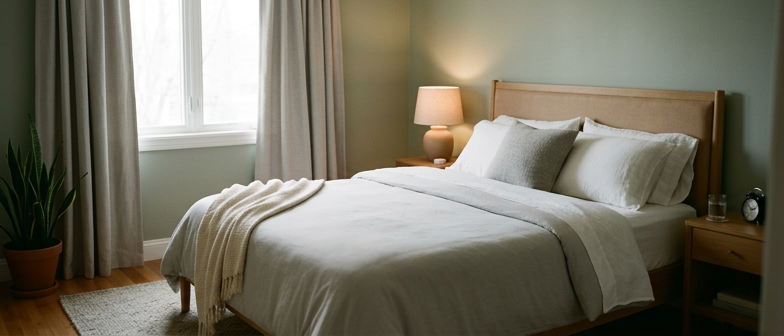
Understanding Sleep Environment Basics
Sleep environment basics focus on everything in and around your bedroom that can support or disrupt rest. Instead of looking only at how long you sleep, this approach asks whether your sleep space helps your body and mind wind down. Air temperature, light, sound, and what you lie on all shape how easily you fall asleep and whether you stay asleep. A simple sleep space checklist can reveal whether your room feels stuffy, cluttered, too bright, or noisy, and point you toward practical adjustments rather than major changes.
Thinking about your bedroom in this structured way turns it into a tool for better sleep instead of just a place to put a bed. The rest of this article will outline a basic checklist, including how to choose a comfortable bedroom temperature, manage lighting and noise, and select bedding that suits your preferences. It will also touch on the habits you repeat each evening, sometimes called a nighttime room routine, and how these cues tell your brain it is time to rest, helping you create a calm, consistent environment that supports more predictable sleep.
Temperature and Air Quality in the Bedroom
A core part of sleep environment basics is keeping your bedroom at a steady, comfortable temperature. Many people rest better in a slightly cool room, but the exact setting depends on your preferences, the season, and the bedding you use. Instead of chasing one perfect number, aim for a range that feels neither stuffy nor chilly when you lie still for a few minutes. Light, breathable bedding helps your body release heat, while heavier covers suit people who tend to feel cold. Adjust your personal bedroom temperature guide over several nights, noticing how quickly you fall asleep and how often you wake, and make small changes instead of sudden shifts.
Air quality is just as important as temperature for a calm sleep space. A room that feels fresh, with gentle airflow rather than strong drafts, can make breathing more comfortable at night. Regularly airing out the bedroom, keeping dust under control, and avoiding heavy scents or smoke buildup reduces irritation for many people. If outdoor noise or pollution is a concern, opening windows at quieter or cleaner times of day may work better than leaving them open all night. Cleaning vents, changing filters on heating or cooling units, and keeping the area around the bed uncluttered all support cleaner air and a healthier sleep environment.
| Scenario | Suggested Temperature Feel | Bedding Choice | Airflow Approach |
|---|---|---|---|
| Warm summer, heat-sensitive sleeper | Slightly cool, airy | Light, breathable layers | Fan or gentle cross-breeze |
| Cool winter, easily chilled sleeper | Gently cool, not cold | Layered heavier blankets | Minimal draft, closed windows |
| Shared room, different preferences | Moderately cool compromise | Separate blanket weights | Fan or vent directed away from bed |
| Noisy urban area, pollution concern | Stable, mildly cool | Medium-weight, breathable covers | Air out at cleaner times of day |
| Allergy-prone sleeper, mild climate | Neutral to slightly cool | Washable, low-dust bedding | Regular airing and clean filters |
Adjusting Temperature for Different Seasons
A practical bedroom temperature guide aims for air that feels slightly cool, not cold, with small changes as seasons shift. In warmer months, keep the room airy with fans, light curtains, and breathable bedding so heat can escape before your nighttime room routine. Open windows when the air outside is cooler, then close and shade the room during the hottest part of the day to limit heat build-up without relying only on strong cooling systems. In colder weather, layering blankets is often more flexible than turning the heat up, because you can adjust covers to match how your body feels. A consistent, comfortable temperature that stays gently cool supports a calmer sleep environment and makes it easier for your body to wind down at the same time each night.
Light and Noise Control for Better Sleep
Light is one of the main signals that sets your body’s sleep–wake rhythm, so managing sleep lighting conditions is a basic part of a healthy sleep environment. Bright light in the evening, especially from phones, tablets, and televisions, can delay the natural release of sleep-related hormones and make it harder to wind down. To support more restful nights, use softer, warmer lighting before bed, dim overhead lights, and keep screens out of direct view. Many people rely on blackout curtains or well-fitted blinds to darken the bedroom, while a small, low-level night light placed away from the bed can allow safe movement without breaking the overall darkness.
Noise is another key part of sleep environment basics, because sudden or ongoing sounds can disturb both falling asleep and staying asleep. Bedroom noise management starts with reducing sound at its source by closing doors gently, turning down shared devices, and keeping louder activities in other rooms. If outside sounds such as traffic or neighbours are hard to avoid, earplugs, heavier curtains, carpets, or rugs can soften noise. Constant, gentle background sounds, often called white or ambient noise, may help mask unpredictable disturbances for some sleepers when the volume stays low and calming.
Putting light and sound together into a simple nightly room routine can make your sleep space feel more predictable and restful. About an hour before bed, dim the lights, silence non-essential notifications, and set up any device that provides soft background noise. A brief sleep space checklist, such as drawing curtains, setting electronics aside, and checking that the room is as quiet and dark as feels comfortable, helps separate your bedroom from daytime activities and supports a calmer transition into sleep.
Practical Bedroom Noise Management Strategies
Managing bedroom noise starts with understanding what sounds you can reduce and what you may need to mask. For controllable sources, simple steps such as closing windows facing busy streets, asking housemates to lower late-night volume, or moving a creaky piece of furniture away from the bed can make a noticeable difference. For noises you cannot change, many people find steady background sound, such as a fan or a white noise machine, helps blend unpredictable sounds into a more consistent backdrop that supports a calmer nighttime room routine.
Choosing Comfortable Bedding and Layout
In Sleep Environment Basics, comfortable bedding is one of the most direct ways to support your body as it rests. A mattress that feels supportive rather than overly hard or soft helps you keep a neutral spine, and a pillow that matches your usual sleep position eases strain on your neck and shoulders. Sheets and blankets made from breathable fabrics let air circulate so your body can release heat through the night, which fits with general bedroom temperature guidance. A simple sleep space checklist that covers comfort, cleanliness, and support makes it easier to notice when bedding feels worn out or no longer suits you.
Comfortable bedding choices also depend on how different layers work together. If you tend to feel cold, a lighter mattress with a warmer blanket may be better than a very soft, insulating mattress with thin covers, while people who overheat often prefer lighter duvets and moisture wicking sheets. Textures can guide relaxation too, with some sleepers enjoying smooth, cool fabrics and others liking a slightly textured, warmer feel. Washable mattress protectors and pillow covers keep the sleep surface clean without changing the feel too much, helping the room stay fresh and calm before bed.
The layout of your bedroom shapes how restful the space feels, even when the bed itself is comfortable. Positioning the bed so you can move around it easily reduces small frustrations at night and in the morning, and placing it away from obvious noise or bright light supports broader guidance on managing sound and lighting. Including layout in your sleep space checklist, such as checking for clear paths, a stable bed frame, and a place for essential items within easy reach, helps your nighttime room routine feel simple, predictable, and uncluttered.
Q&A
-
What does “sleep environment basics” actually mean?
It refers to the physical conditions in and around your bedroom—temperature, light, noise, bedding, and layout—that can make it easier or harder to fall and stay asleep. -
Is there a simple bedroom temperature guide I can follow?
Aim for a slightly cool room where you feel comfortable lying still for several minutes. Adjust gradually over a few nights, using lighter or heavier bedding until you fall asleep and stay asleep more easily. -
How should I manage lighting in my room before bed?
Dim bright overhead lights, choose warm, low-level lamps, and limit direct screen exposure in the hour before bed. Use blackout curtains if outside light is strong, and keep any night light small and indirect. -
What are practical ways to handle bedroom noise?
Reduce controllable sounds by closing windows, rearranging noisy items, or asking others to lower volume. For traffic or other ongoing noise, steady background sound from a fan or noise machine can help soften sudden disturbances. -
How can a sleep space checklist improve my nighttime routine?
A short checklist that covers clutter, light, noise, temperature, and bedding comfort helps you spot small problems and fix them step by step, making your nightly wind-down more predictable and calming.