From Batteries to Grid: Electric Cars Rewiring Clean Mobility
Quiet roads, cleaner city air and cars that can send electricity back into homes are no longer distant promises but an emerging reality. As plug‑in models spread from family driveways to mines and freight yards, they are beginning to reshape both everyday travel and modern energy systems.
From Moving Battery to Quiet Neighbour
A car that stores more than miles
To many energy specialists, a plug‑in car is less a machine on wheels and more a travelling battery. It roams during the day, then spends long, predictable hours parked at home, at work or in a depot. That parked time turns a private vehicle into a flexible energy asset. Instead of electricity flowing in one direction from power plant to socket, the relationship becomes two‑way: drivers can choose when to take power and, increasingly, when to give some back.
How silence changes streets and habits
The first thing many people notice inside one of these vehicles is the absence of vibration and engine roar. The car seems to glide rather than struggle, conversations become easier and long trips feel less tiring. Outside, quieter traffic reduces background noise for homes, schools and hospitals. Over time, this shifts expectations: rumbling exhausts stop feeling “normal”, and smooth, quiet movement becomes the default. That change in everyday comfort often convinces people more than any technical specification.
From spending on fuel to investing in energy
Once a vehicle can support a home during an outage or earn a fee for helping the grid at peak times, ownership starts to look less like pure consumption. For some households and fleets, a car begins to resemble a small, programmable power asset. In spare hours the battery can support local demand or soak up surplus renewable power, turning parked time into a modest but meaningful energy service rather than pure downtime.
Smarter Charging: From “Just Plug It In” to Fine‑Tuned Flow
Home charging as a personal power hub
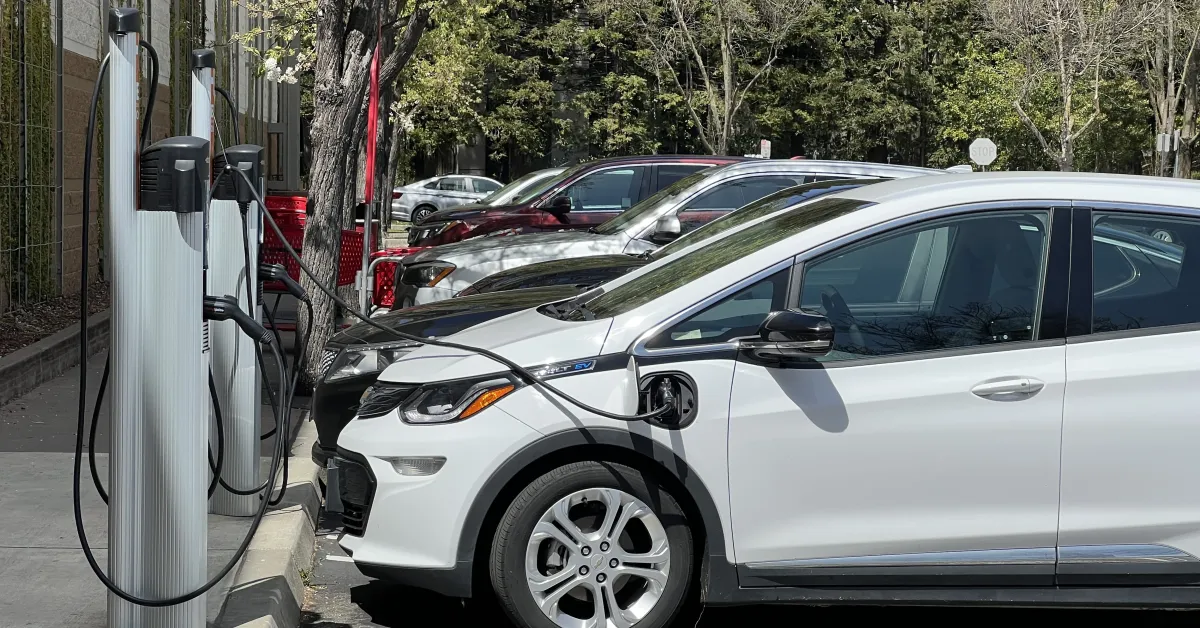
Installing a home charger is often the first moment drivers feel how strongly their new car is tied to the wider grid. A wallbox can draw more power than most other appliances, sometimes for many hours in a row. Timers and simple apps now shift most of that draw into off‑peak periods, when electricity is cheaper and the grid is under less strain. For the household, that means lower running costs; for the system, thousands of small decisions slowly flatten the evening spike.
| Home charging option | Typical use pattern | Main advantages | Key trade‑offs |
|---|---|---|---|
| Standard socket | Overnight top‑ups, low mileage | No extra hardware, easy to start | Slow, less suited to large batteries |
| Dedicated wallbox | Daily commuting, small fleets | Faster, safer, supports smart scheduling | Needs installation and planning |
| Shared community units | Apartments, workplaces | Better utilisation, managed load | Requires coordination and rules |
Used well, home and shared chargers turn neighbourhoods into clusters of small, semi‑predictable loads instead of one big, sharp peak in demand.
Public rapid charging as energy fast‑lane
On motorways and in city hubs, rapid chargers act like high‑capacity on‑ramps to the power system. In minutes rather than hours, they can push substantial energy into a single battery. Modern models manage this by carefully controlling temperature and charge rate, easing off as the battery nears a high state of charge. For drivers, the key measure is not the headline kilowatt number but the time from “low” to “enough to continue the trip”. For grid planners, clusters of these stations are both challenge and opportunity: they must be fed reliably, but they can also be steered to draw harder when renewables are plentiful.
When cars power homes and help the grid
Bidirectional charging adds a new twist. In a house with the right equipment, a parked vehicle can keep lights, routers and fridges running through a blackout, or reduce the bill by supplying the home during expensive evening hours and refilling after midnight. Aggregated across many vehicles, the same idea scales into support for the wider grid. During a lull in wind or sun, a fleet can briefly push power back; during a bright, breezy night it can absorb excess. Drivers mostly see a simple set of preferences—minimum morning range, maximum share of battery available, desired price level—while software does the detailed balancing.
Inside the Battery: Chemistry, Cost and Everyday Range
Why cell chemistry matters to safety and lifetime
Different cell designs juggle energy density, cost, safety and cycle life in different ways. Some favour packing the maximum travel distance into the smallest space, ideal for long‑range models. Others accept slightly lower density in exchange for cooler operation and more charge‑discharge cycles, making them well suited to both mass‑market cars and stationary storage. These sturdier chemistries are especially important when batteries are asked to work harder: frequent rapid charging, regular support for the home, or participation in grid services all demand resilience and predictable behaviour.
Falling costs and broader access
As production scales and manufacturing improves, the power pack has steadily become less expensive to build. That shift filters directly into vehicle stickers and leasing rates, gradually making plug‑in options realistic for more households and businesses. Once numbers make sense for delivery vans, taxis, buses and company cars, the total distance travelled using electric drive grows very quickly. That in turn justifies more charging points, encourages further innovation and nudges the whole system toward cleaner ways of generating power.
Living with range in real weather
Everyday experience varies with climate and driving style. Cold conditions slow down cell chemistry and increase the energy needed to heat cabins, reducing practical range. Steady high‑speed cruising also eats into reserves faster than gentle urban driving with frequent energy recovery. Pre‑conditioning while plugged in, choosing seat and steering‑wheel heating over blasting warm air, and moderating top speeds all help. Over time, drivers learn a new, more transparent fuel gauge: instead of a vague needle, a clear percentage and realistic remaining distance make planning more concrete and less stressful.
Grids Under Pressure: Stress, Flexibility and New Roles
Variable renewables and the need for flexibility
Wind and sunshine do not follow human schedules. Output can swing rapidly, while demand must remain closely matched to supply. Traditional systems handled this by ramping large plants up and down. As more weather‑dependent generation appears, that approach reaches its limits. Flexible demand and storage become essential. Here, millions of batteries parked in driveways and depots are a tempting resource: if even a modest share can delay charging by an hour, or temporarily absorb surplus output, balancing the system becomes easier and cleaner.
Charging waves as risk or asset
If everyone in a neighbourhood arrives home and plugs in at once, local lines and transformers can be pushed close to their technical comfort zone. The same vehicles, spread over the evening and guided by smart chargers, turn from problem to solution. Software can stagger start times, vary charge rates and respond to signals from network operators. The physical hardware is the same; only the coordination changes.
| Charging pattern | Impact on local grid | Typical experience for users |
|---|---|---|
| Uncontrolled evening plug‑ins | Sharper peaks, higher stress on equipment | Simple to use, but vulnerable to limits |
| Time‑of‑use guided charging | Flatter demand curve, easier planning | Lower average cost, minimal behaviour change |
| Fully managed flexible schemes | Greatest support for renewables and stability | Requires trust in automation and clear safeguards |
From centralised pipes to interactive networks
Historically, power flowed in one direction: from a small number of large plants through high‑voltage lines to passive customers. Plug‑in vehicles help accelerate a shift toward many smaller actors constantly adjusting in response to signals. Big stations remain vital, but they are joined by neighbourhood‑scale solar, building batteries and mobile storage on wheels. The grid starts to feel less like a rigid pipeline and more like a living network of conversations between devices.
Drivers, Fleets and Communities in a Shared Energy Future
From “fuel buyer” to energy participant
Owners once thought only about pump prices, service intervals and traffic. Now, some also think about tariffs, charging windows and how their car interacts with local clean power. Most do not want complexity, so good systems hide it: simple defaults like “always ready by 7 a.m.” or “prefer the greenest hours” let people quietly support wider goals without sacrificing convenience. Over months, dashboards that show avoided fuel purchases, off‑peak savings and modest income from grid services turn abstract ideas into tangible numbers.
Quiet workhorses: buses, vans and service vehicles
The vehicles that spend all day on public streets—buses, refuse trucks, postal vans, airport equipment—have an outsized impact on noise and air quality. When these shift to electric drive, the effect is immediately noticeable: early‑morning collections wake fewer people, busy shopping streets feel less harsh, and depot staff work in cleaner, calmer surroundings. Because such fleets start and finish their days at known locations, their charging can be tightly scheduled, often forming well‑behaved, predictable loads that integrate smoothly with local energy planning.
Communities built around shared infrastructure
As apartment blocks, workplaces and districts install banks of chargers, new sharing models emerge. Several buildings might co‑fund a hub; a business park might combine vehicle charging with rooftop solar and on‑site storage; a school might use parked buses as backup supply during rare outages. In these settings, drivers are not acting alone. They are part of a local ecosystem where cars, chargers and the grid co‑evolve, each influencing how the others grow.
In that co‑evolution lies the most transformative promise: roads grow quieter, air becomes easier to breathe, and the everyday act of plugging in a car gradually turns into a small but steady contribution to a more resilient, climate‑friendly energy system.
Q&A
-
How will advances in battery technology change everyday driving and car ownership costs?
New batteries with higher energy density and longer lifespans mean fewer charges, less degradation, and lower maintenance. As production scales, pack prices drop, making EVs cheaper to buy and run than combustion cars over their lifetime. -
What should drivers look for when choosing public charging stations for regular use?
Focus on charging speed (kW), network coverage on your typical routes, pricing transparency, reliability ratings, and whether they offer plug-and-charge or app-based access to simplify payment and session tracking. -
In practical terms, how does eco driving extend range and protect the battery?
Smooth acceleration, early lifting off the throttle, using regenerative braking, moderate speeds, and climate control discipline reduce energy draw, increase real-world range, and lower thermal stress on the battery. -
Why are zero emissions vehicles important beyond just tailpipe pollution?
They cut local air pollutants and CO₂, enable cleaner cities, and, when powered by renewables, shrink lifecycle emissions, reduce oil dependence, and support a more resilient, electrified energy and transport system. -
What role will future mobility and green transport play in changing urban lifestyles?
Integrated EVs, shared fleets, micromobility and smart charging will reduce private car ownership, free up parking space for people-focused streets, cut congestion, and make multimodal, low-carbon travel the default.